Moving a vehicle isn’t just logistics. It is trust, risk, dollars, and your schedule all tied to a piece of equipment you rely on or treasure. I have booked transport for everything from commuter sedans to concours-level classics, and the same question keeps coming up: Should I choose open or enclosed? If you are weighing options for Verdi auto shipping, the choice sets the tone for cost, timing, and peace of mind. The right answer shifts with your vehicle, your timeline, and the season.
This guide lays out how each method actually works on the ground, where costs and risks hide, and how to decide with clear criteria. I will also share a few field-tested practices that trim headaches and keep your car exactly as it left.
What open transport really looks like
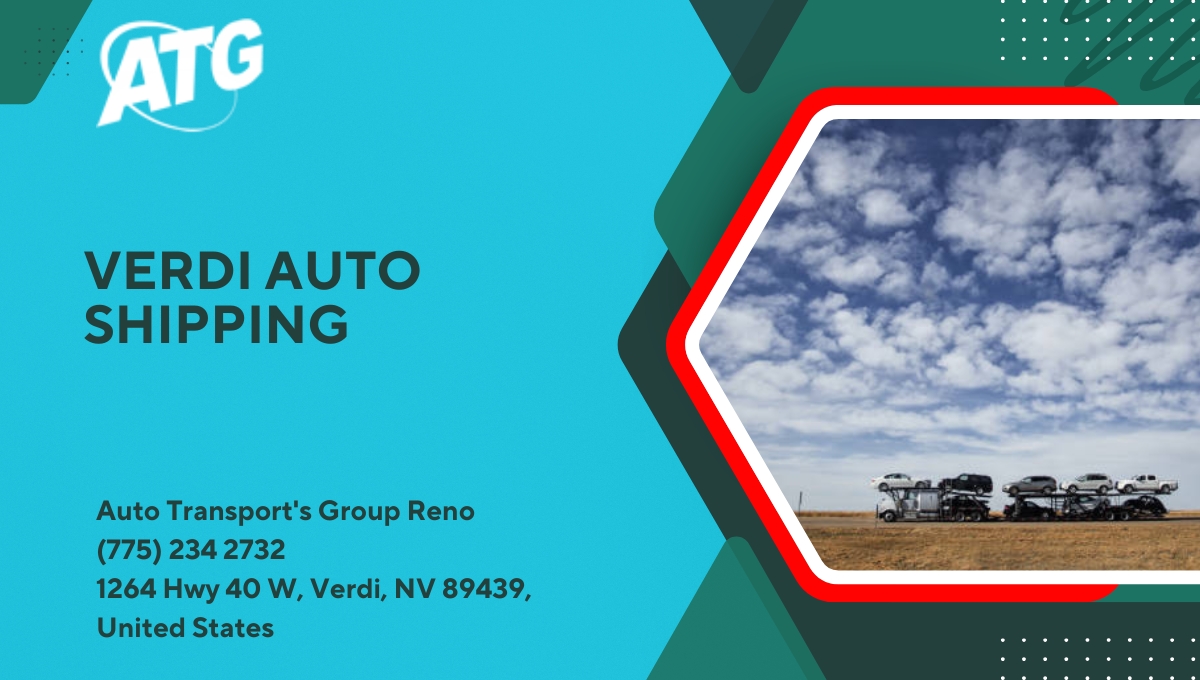
Open carriers are the rigs you see most on the highway, two-level trailers with eight to ten vehicles stacked at an angle. For Verdi vehicle shipping across common routes, this is the default. The carrier loads cars in a set sequence to balance weight and keep pickup and drop-off order efficient. Vehicles ride exposed to weather and road grime, but modern tie-down systems and driver protocols protect structural integrity.
The industry has matured around open transport. Most dealerships receive new inventory this way. Most household moves rely on it. With Verdi vehicle transport, open carriers are the workhorses that keep pricing competitive and schedules flexible. If you book early and your pickup and delivery points sit near major corridors, an open truck can often load within a few days.
Where customers misjudge open transport is not the safety factor but the cosmetic exposure. Cross-country in winter, expect a thin film of salt and snowmelt. Through the desert in July, expect dust and insect debris. None of this is catastrophic, but it means a wash on delivery and a sharper eye during the inspection.
Enclosed carriers and what they do differently
Enclosed trailers are box-style haulers with hard sides and a roof. Think of a moving van, but configured for vehicles with liftgates, soft straps, and lower load angles. Inside, road debris, weather, and prying eyes are out of the equation. For high-value, low-clearance, or freshly restored vehicles, enclosed transport adds a layer of control that open rigs cannot match.
Premium enclosed fleets tend to include features like air-ride suspension to dampen vibration, winches for non-running cars, and logistics processes tailored to single or small-batch loads. There is also a cultural difference. Enclosed drivers generally specialize in higher-value units and carry deeper experience dealing with exotics, classics, and show cars. That shows in how they pad tie-down points, how they communicate, and how they handle doors and spoilers.
The cost reflects the gear and attention. Enclosed runs typically price 40 to 80 percent higher than open for the same route. Lead times can be longer since the enclosed network is smaller, especially if you require single-vehicle, door-to-door service.
Cost dynamics you can actually use
Real budgets hinge on more than the words open or enclosed. Route density, fuel prices, seasonality, vehicle size, and pickup constraints matter. A compact sedan on a popular interstate corridor might go open for, say, 70 to 90 cents per mile when demand is soft, then jump in holiday season. The same size car enclosed could run 1.2 to 1.8 dollars per mile or more depending on truck availability and detours. An oversized SUV, even open, will add a surcharge because it consumes more deck space.
On short hops under 300 miles, minimum trip charges compress the gap. I have seen enclosed quotes come within a few hundred dollars of open when the shipper had an enclosed truck repositioning nearby. On long hauls, the percentage difference tends to widen because carriers amortize the trailer’s higher running costs over distance.
Insurance is embedded in most quotes, but the coverage level and deductibles differ. Enclosed carriers often carry higher cargo limits since their loads are more valuable per truck. If your vehicle is worth six figures, pay attention to the carrier’s cargo insurance cap. Ask for a certificate. This is not about mistrust; it is how you avoid awkward arithmetic after the fact.
Risk profiles, in plain language
Open transport’s primary risk is cosmetic, especially during harsh weather. It is rare to see major damage that stems from exposure alone. More common culprits are tight residential streets and steep driveways that complicate loading. A skilled driver mitigates that by asking you to meet at a wider street or a nearby parking lot.
Enclosed transport removes environmental exposure and reduces the chance strangers see what is inside, which matters if you are moving something rare or high-profile. It is not immune to risk, but incidents tend to be confined to loading and securing steps. A methodical driver, correct strap placement, and slow ramps prevent most of it.
Both methods use Bill of Lading inspections at pickup and delivery. The document records condition with photos and notes. Skipping or rushing this step is how disputes start. I have watched grown adults try to remember whether a door ding existed before the trip. Photos settle it.
When timelines collide with reality
Availability is part of the decision. During peak moving months and at holiday bookends, open carriers fill quickly because they serve the widest customer base. If your pickup sits off a major route, the truck may need to detour. Detours add cost and days. Enclosed networks, while smaller, often plan bespoke routes. For time-critical moves, the fastest option is sometimes the carrier that can make your pickup window, not the one with the cheapest rate.
Weather can flip the calculus. A winter storm across the Rockies can delay both types, but open trucks are more likely to pause to avoid corrosive road slush. Enclosed carriers push through weather more often since their cargo is protected and their liftgates and straps function fine in cold. The trade-off is that enclosed trucks are heavier and sometimes need different routes around chain-control areas.
The vehicles that benefit most from enclosed
Judgment, not a rulebook, should drive the choice. Still, certain categories consistently justify enclosed in my experience. Fresh restorations with soft paint or new ceramic coatings benefit from a fully enclosed bay. Low clearance sports cars need a gentle loading angle, which enclosed equipment provides. Unusual shapes, like vintage microcars or race cars with aero bits, strap more safely with soft ties and wheel nets on enclosed decks.
If the vehicle is a daily driver with typical value and you are comfortable with a wash on the other end, open is smart money. If resale photos and flawless presentation matter, or the car is an appreciating asset, enclosed pays for itself.
Door-to-door, terminal, and driveway realities
Door-to-door sounds perfect until the truck meets your cul-de-sac. Long trailers cannot make tight turns or pass under low branches. In older neighborhoods, power lines and tree limbs sit lower than the truck’s roofline. Professional drivers will not risk snagging a cable or scraping a tree that protrudes into the lane. In those cases, the carrier coordinates a meet point nearby. Think a grocery store lot, a business park, or a wide arterial street.
Terminal service, where you drop off and pick up at a yard, remains rare in many regions but can reduce pickup constraints. With Verdi vehicle shipping, terminal options depend on proximity to a partner yard. If you are flexible and want to shave a bit off the bill, ask whether a terminal handoff makes sense. I would not choose a terminal for a high-value car unless the yard has controlled access, insurance, and known handling practices.
Driveways with steep lips, loose gravel, or sharp angles invite underside scrapes. Open carriers have steeper loading ramps. Enclosed trailers reduce ramp angles using liftgates or longer panels. When in doubt, share photos of your driveway and street. Carriers can plan better if they see it.
Preparing your car so transport goes smoothly
Clean the car before pickup. Dirt hides small chips and scratches that turn into questions later. Note pre-existing blemishes with date-stamped photos. Remove toll transponders and parking passes, which can bill while the car rolls under gantries. Secure loose items and remove roof racks if they stick out beyond the body line.
Leave fuel at roughly a quarter tank. Full tanks add weight, which can matter in DOT weight checks. Fold in mirrors if manual. Provide one working key, not your only one. If the car has an alarm with a touchy sensor, disable it so it does not drain the battery.
Provide accurate ground clearance, especially if you have aftermarket springs or a front splitter. I have watched a driver rebuild a ramp setup on the fly because a car sat an inch lower than disclosed. It worked, but it stole half an hour and added risk. Clarity prevents improvisation.
Insurance and paperwork that protect you
Your personal auto policy usually excludes damage during commercial transport. The carrier’s cargo policy is the primary coverage. Ask for the certificate of insurance with your name and the dates that cover your shipping window. Check the limit against your vehicle value. If your car is worth more than the cargo limit, you can often buy a rider or supplemental coverage.
Read the transport contract, especially clauses on storage, layover fees, and what happens if the car becomes inoperable en route. Dead batteries happen. Reputable carriers jump them carefully. If the alternator fails, they need your permission to use the winch and load as an inoperable vehicle. That can add a fee because it changes loading logistics.
During delivery, do a slow walkaround with the driver in daylight if possible. Compare to the pickup photos and the Bill of Lading. Note any issues in writing before you sign. If something is wrong, a cooperative driver solves more than a heated debate will. You can accept delivery and still file a claim if it is documented correctly.
Real-world scenarios that clarify the decision
A family moving a 6-year-old CR-V from Reno to Austin during spring. The route runs I-80 to I-35. The car is in good shape but not collectible. Budget matters more than cosmetics. Open transport fits. Book 10 to 14 days out, watch the forecast, and plan a car wash on delivery. If an April snow squall hits Wyoming, the schedule may slip a day. Price sensitivity argues for open.
A buyer in Verdi securing a low-mile 997.2 Porsche 911 with a front lip and ceramic coat. Shipping to the Bay Area. The car sits low, and presentation matters. Enclosed with a liftgate avoids ramp drama. Between the paint protection and low clearance, the premium is justified. Lead time of a week is reasonable, but if the car must be at a detailing appointment on a specific day, communicate that window with the broker or carrier. Enclosed operators often can hit tighter targets for short regional runs.
An estate sale includes a non-running 1968 Mustang that rolls and steers but lacks brakes. Moving it across two states. Open or enclosed both can work if the truck carries a winch. The kicker is safe loading and tie-down without hydraulic help. Enclosed is often smoother because of the liftgate and soft straps, but if budget is tight, an open carrier with the right winch and experience can do it. Ask specifically about the driver’s plan for a no-brake car. Good carriers describe wheel chocks and strap placements without hesitation.
Seasonality and the Verdi factor
Verdi and the wider Northern Nevada corridor see real seasonal swings. Summer brings road construction and heat; winter brings chain controls and de-icing agents once you hit mountain passes. In summer, open transport is easy to schedule. Expect dust, sun exposure, and bugs on the front fascia. In winter, enclosed earns its premium, especially if you want to avoid brine spray that can cling to underbodies and wheels. Modern paint tolerates it, but if you just finished a restoration, skip that risk.
Snowbird traffic affects timing. Every autumn and spring, the flow to and from the Southwest compresses capacity. Book earlier. If you plan Verdi vehicle transport right at those peaks, keep an eye on your pickup window. The earliest bookings get the first slots.
Broker, carrier, and how to vet the people behind the truck
You will interact with either a broker, a carrier, or both. Brokers coordinate logistics and tap a network of carriers. Carriers own the trucks and move your car. Good brokers earn their keep by matching your needs with the right operator, not just the lowest price. Good carriers communicate honestly about timing, equipment, and access.
Ask for the MC and USDOT numbers. Look up safety scores and authority status. Read recent reviews, not just averages. When I vet for a sensitive move, I read for patterns: missed pickup windows, poor communication, damage disputes, or flawless handling of unusual cars. One or two gripes are normal in transport. Repetition signals a systemic issue.
For Verdi auto shipping, local familiarity helps. Someone who knows the constraints around tight communities east of Reno or the best meeting spots near I-80 will save time and avoid awkward turns with a 75-foot rig. When you meet the driver, you can tell within a minute whether they run a tight ship. Organized straps, clean paperwork, clear plan for the load sequence. These small cues predict outcomes.
The open vs. enclosed decision, distilled
If you stripped the jargon and the marketing, the decision boils down to three variables: value, vulnerability, and visibility. Value includes your car’s dollar worth and what a blemish would cost you in time and money. Vulnerability means how likely the route and season are to expose the car to debris, weather, or loading challenges. Visibility matters for both privacy and how presentable the car must be upon arrival.
For most everyday vehicles, open is the efficient, sensible choice. For high-value, low-clearance, recently detailed, or collector-grade cars, enclosed pays its way. Edge cases exist. Short routes with tight deadlines sometimes favor whichever truck is already nearby, regardless of type, because reliability trumps theory when your schedule is rigid.
A simple checklist you can run in five minutes
- What is the vehicle’s current market value and expected exposure to depreciation from minor blemishes? Is the route crossing winter passes or construction-heavy corridors during your shipping window? Does the car have low clearance, fragile aero, fresh paint, or special finishes? Is your pickup or delivery location accessible to large trailers, or will you need a meetup plan? Do quoted carriers have the insurance limits and equipment that match your answers above?
Small details that make a big difference on delivery day
Share contact numbers for both pickup and delivery, plus a backup. Last-mile communication prevents missed handoffs. If your schedule is tight, set a text preference so the driver can ping you en route without playing phone tag. Have payment ready in the form requested. Many carriers still prefer certified checks or cash on delivery. Clarify that early so you are not scrambling.
Weather permitting, accept delivery in daylight and on a flat surface. If the car looks dusty, resist the urge to wipe it with a dry cloth. Dust acts like sandpaper. Use a gentle rinse later. If there is a small issue, note it, take photos, and remain calm and specific. Good carriers close out small claims quickly if the documentation is in order.
Final guidance for Verdi vehicle shipping decisions
If your goal is straightforward transport for a commuter or family car at a fair price, open carriers handle that every day. Book early, prepare the car, and pick a carrier with clean paperwork and steady communication. If the vehicle’s finish or value sets autotransportgroup.com Verdi car transportation services a higher bar, or the route and season present heavy exposure, choose enclosed. The difference will show not only in the trailer walls but in how the driver approaches your car.
You are not buying a commodity; you are hiring judgment. When a carrier asks smart questions about your driveway, your ground clearance, and your schedule, that is your signal you are in good hands. Whether you select open or enclosed for your Verdi auto shipping, align the method with the car in front of you and the conditions it will face. That match is what delivers the car you know, to the place you need it, without surprises.
Contact Us
Auto Transport's Group Reno
1264 Hwy 40 W, Verdi, NV 89439, United States
Phone: (775) 234 2732